
Individual Therapy for Relationship Issues in Providence: Transform Your Patterns
Expert Support for Understanding Relationship Challenges
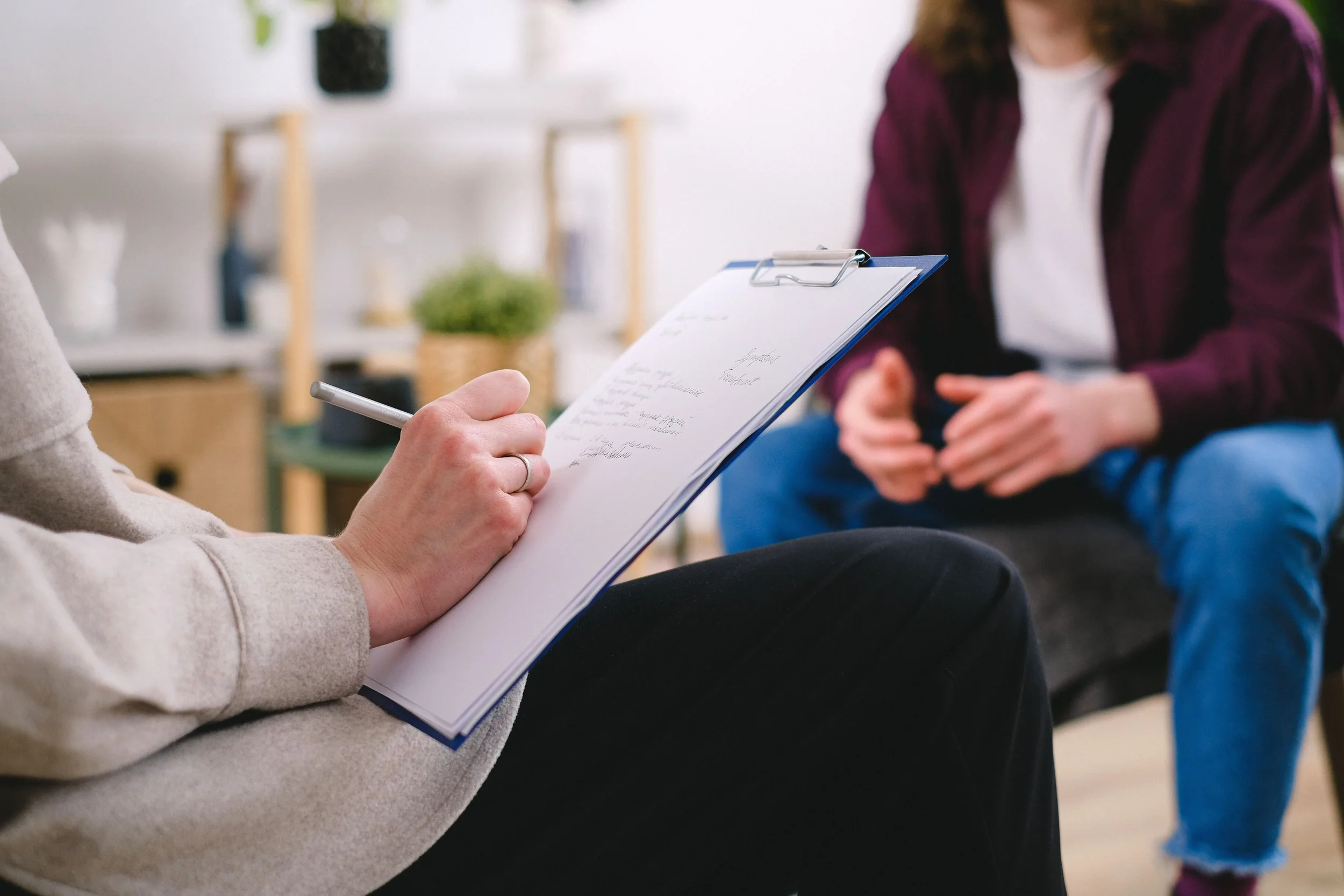
Relationship struggles often feel impossible to solve alone. At the Providence Therapy Group, our experienced therapists—Jennifer McMillan, LMHC and Zak Fusciello, LCPC—help individuals in Providence, Rhode Island work with a licensed therapist for relationship counseling that supports healthier communication and more satisfying connections. Individual therapy for relationship issues addresses personal factors—attachment styles, communication patterns, boundaries, self-esteem—that shape how you relate to partners, while also helping with addressing relationship issues in ways that strengthen connection and support improving communication skills.
Whether navigating current relationship conflict, recovering from breakup or betrayal, struggling with dating anxiety, or addressing patterns repeating across relationships, individual therapy provides professional support in a one on one setting and a private space for personal growth. While couples therapy addresses relational dynamics, individual therapy focuses on developing self-awareness, healing personal wounds, and transforming internal patterns affecting your relationships with compassionate support throughout the healing process.
Understanding Individual Therapy for Relationship Issues
How Is Individual Therapy Different from Couples Therapy?
Couples therapy involves both partners working together to improve the relationship. Individual therapy focuses specifically on you—your patterns, history, beliefs, and personal growth. In individual therapy for relationship issues, you explore how past experiences shape current choices, understand communication and conflict patterns, develop self-awareness about triggers, heal wounds affecting how you relate, and build healthier skills.
Individual relationship therapy is valuable when: only one partner is willing to work, you want self-understanding before couples therapy, you're single developing healthier patterns, you're recovering from breakup or betrayal, or you struggle with similar issues across multiple relationships.
What Personal Factors Affect Relationships
Relationship patterns develop early through family experiences and learned beliefs about love. Attachment style—how you relate to closeness and independence—profoundly affects relationships. Communication patterns—how you express needs, handle conflict, show vulnerability—shape relationship quality. Boundaries—your ability to say no and protect yourself—determine relationship health. Self-esteem affects whom you choose and how you accept treatment.
Individual therapy helps you understand these factors, including your own thoughts and emotional responses, recognize how they show up in relationships, heal wounds driving unhelpful patterns, and support emotional health, self discovery, greater self-awareness, and healthier choices.
Meet Your Individual Relationship Therapists in Providence

Jennifer McMillan, M.S., LMHC
Licensed counselor
Individual Therapist
Jennifer specializes in helping people develop deeper self-awareness about relationship patterns and build skills for healthier connections. She understands that relationship struggles often reflect deeper personal issues—attachment wounds, past trauma, low self-esteem, poor boundaries—deserving focused attention. Jennifer works with individuals navigating current relationship conflict, recovering from breakup or betrayal, recognizing unhelpful patterns, struggling with dating anxiety, managing communication difficulties, addressing communication problems, and changing patterns of poor communication while setting healthy boundaries and processing past relationship trauma. What distinguishes Jennifer's approach is her ability to help clients develop genuine self-compassion while holding themselves accountable for growth and develop strategies for change.

zak fusciello, M.S.
Licensed counselor
Individual Therapist
Zak brings depth and insight to individual therapy for relationship issues, offering Providence and Cumberland clients a supportive environment where they can understand themselves more fully and transform patterns affecting their connections. He specializes in helping clients understand attachment styles and how they show up in relationships, develop secure self-esteem not dependent on others' validation, communicate needs effectively, set healthy boundaries, process past relationship trauma, and build capacity for vulnerability and authentic connection. Zak brings practical perspective alongside emotional validation, helping clients see connections between past experiences and current patterns and face personal challenges with greater clarity.
Currently not accepting new clients
Working on Relationship Issues in Individual Therapy
Understanding Your Patterns
Individual therapy begins with developing awareness of your relationship patterns. Your therapist helps you identify recurring themes: Do you repeatedly choose unavailable partners? Lose yourself in relationships? Struggle with trust? These patterns connect to early experiences, learned beliefs, and attachment patterns. Understanding what happened in your family, what messages you learned about love and worth, and how you respond to conflict is a vital step before change; healing begins with awareness.
Healing Attachment Wounds
Attachment—how you learned to relate to closeness and independence—profoundly affects adult relationships. If you experienced inconsistent care, abandonment, or enmeshment as a child, you may now struggle with trust or lose yourself in relationships. Individual therapy helps you understand your attachment style, recognize how it plays out, and develop more secure ways of relating. As you heal attachment wounds, you naturally develop healthier relationship patterns.
Developing Communication Skills
Many relationship problems stem from communication patterns and poor listening. Do you shut down when conflict arises? Attack when hurt? Struggle to express needs clearly? Individual therapy helps you understand your communication style, identify where it comes from, and build active listening and effective communication skills. Your therapist helps you practice new skills in a safe environment and develop capacity for honest, direct dialogue, improving communication and mutual understanding.
Building Healthy Boundaries
Healthy boundaries—knowing what's acceptable, saying no, respecting others' limits—are essential for satisfying relationships. Many struggle with boundaries: over-giving, accepting mistreatment, losing themselves in relationships. Individual therapy helps you understand why boundaries are difficult, develop self-awareness about your needs and limits, practice setting boundaries, and build confidence advocating for yourself. Strong boundaries create stronger relationships—you're less resentful, more authentic, and able to truly choose your partner.
Addressing Self-Esteem
Low self-esteem often drives problematic relationship choices—accepting mistreatment, choosing partners unlikely to value you, abandoning yourself trying to keep someone. Individual therapy helps you understand where self-esteem struggles originate, develop genuine self-worth not dependent on others' validation, recognize negative thought patterns and negative thoughts affecting relationships, strengthen emotional regulation, and build confidence in your value. As self-esteem grows, you naturally attract and choose healthier partners, and healthier self-worth can have a significant impact on relationship choices.
The Individual Therapy Process
Your first session is a form of talk therapy in a safe and supportive environment, focused on understanding what brings you to therapy, your relationship history, current struggles, and what you hope to gain. Your therapist explores your family background, past relationships, and patterns you've noticed.
Regular sessions involve exploring your patterns, processing past wounds, developing new skills and perspectives, practicing healthier ways of relating, addressing specific triggers, and using a therapeutic approach tailored to your needs while building coping strategies for personal growth. Between sessions, you may practice communication skills, notice patterns, journal about insights, work on boundaries, or implement changes discussed in therapy.
As you develop self-awareness and skills, you gradually shift patterns. You communicate more effectively, set boundaries with confidence, choose healthier partners, respond to conflict less reactively, and maintain yourself in relationships without losing your identity.
When Individual Therapy Helps Relationships
Individual therapy for relationship issues benefits people navigating persistent conflict, relationship distress, or recurring communication issues in a current relationship, recovering from breakup or betrayal, recognizing patterns repeating across relationships, struggling with dating anxiety or fear of commitment, working on communication and boundary-setting skills, processing past relationship trauma, managing jealousy or insecurity, developing self-esteem, or preparing for couples therapy by doing personal work first. Some people begin individual work before they seek couples therapy or when they are considering seeking professional support.
Getting Started
We offer in-person sessions at our Providence and Cumberland, Rhode Island locations and online therapy throughout the state.
Understanding yourself more deeply can help you build a healthy relationship and create more fulfilling connections. With professional support and commitment to growth, you can heal past wounds, develop healthier patterns, and create deeper connections and a more resilient relationship over time. Contact the Providence Therapy Group to begin individual therapy for relationship issues with Jennifer McMillan, LMHC or Zak Fusciello, LCPC.
Frequently Asked Questions About Individual Therapy for Relationship Issues
What is individual therapy for relationship issues and how does it help?
Individual therapy for relationship issues focuses on personal factors affecting how you relate to partners—attachment styles, communication patterns, boundaries, self-esteem. Unlike couples therapy, individual therapy is self-focused work developing self-awareness, healing personal wounds, and transforming patterns, and this work can have a significant impact on relationship satisfaction and overall relationship health. This foundation supports healthier relationships.
How is individual therapy different from couples therapy?
Couples therapy involves both partners working together. When both people participate, couples counseling provides a structured space to address concerns as a team. Individual therapy focuses on you—your patterns, history, and personal growth. Individual therapy is valuable when only one partner wants to work, you want self-understanding first, you're single developing healthier patterns, or you're recovering from breakup.
What if my partner won't do couples therapy?
Individual therapy is valuable even if your partner won't participate, and it can still help reduce conflict and resolve conflicts by changing how you communicate, set boundaries, and respond to triggers and patterns. As you change, relationship dynamics often shift because you're responding differently, which can improve the broader relationship dynamics.
How do attachment styles affect relationships?
Attachment—how you learned to relate to closeness and independence—profoundly affects adult relationships. Anxious attachment may lead to clinginess or fear of abandonment. Avoidant attachment may involve difficulty with intimacy. Individual therapy helps you understand your attachment style, develop more secure patterns, and uncover underlying issues from past experiences that still shape attachment patterns.
Can individual therapy help me communicate better with my partner?
Absolutely. Many relationship struggles stem from communication patterns. Individual therapy helps you understand your style, improve communication skills, and develop healthier, more effective self-expression when expressing needs, addressing conflict, and connecting, creating a deeper sense of connection. These skills transform all your relationships.
How do I know if I have unhealthy boundaries?
Unhealthy boundaries often look like: over-giving, accepting mistreatment, difficulty saying no, or losing yourself in relationships. If you resent your partner or feel taken advantage of, boundaries need work. Individual therapy helps you develop skills setting and maintaining them.
What if I keep choosing unhealthy partners?
Repeated unhealthy partner choices typically connect to attachment patterns, low self-esteem, or unhealed wounds. Individual therapy helps you understand why you're attracted to certain partners, better recognize your own emotions so you can make healthier choices in relationships, develop self-esteem not dependent on others' validation, and build confidence choosing healthier partners.
Can individual therapy help with dating anxiety?
Yes. Dating anxiety often stems from past rejection, low self-esteem, or fear of vulnerability. Individual therapy helps you understand roots of anxiety, process past disappointment, build confidence, and develop skills for healthy dating.
Should I do individual therapy before couples therapy?
Sometimes individual therapy is helpful before couples therapy, especially if you struggle with communication or self-awareness. The Gottman Method is one evidence-based couples therapy model, and it focuses on nine aspects of a healthy relationship. Discernment counseling can help couples decide on divorce or therapy. Other times, couples therapy directly addresses relationship issues while you do individual work alongside. Your therapists can recommend the best approach.