
What to Say When Someone Is Grieving
Grief: What to Say (and Not Say) When Someone Is Grieving - A Practical Guide

When someone you care about is grieving, it’s natural to feel unsure about what to say or do. You want to help, but you might worry about saying the wrong thing or making their pain worse. The truth is, there’s no perfect script for supporting someone through grief but understanding what helps and what doesn’t can make you a better source of comfort during one of life’s most difficult experiences. Grief brings up intense feelings, and your loved one needs support as they process the death of a loved one. In the early days after a loss, it’s common for grief to feel surreal or like being trapped in a bad dream.
What should you say to someone who is grieving?
The most helpful things you can say are simple, honest, and focused on presence rather than fixing. Phrases like “I’m so sorry for your loss,” “I’m here for you,” or “I don’t know what to say, but I care about you” acknowledge their pain without trying to minimize it. You can also ask open-ended questions like “How are you doing today?” or “What’s been the hardest part?” to let them share as much or as little as they want.
Specific memories can be especially meaningful. Saying “I’ll always remember when [loved one’s name] did [specific thing]” or “They had the best laugh” shows you’re thinking about the person who died, not just their death. Many people worry that mentioning the deceased after a person died will make grief worse, but most grieving people want to talk about their loved one and appreciate when others remember them. Sharing stories about the loved one honors their life and helps with the grieving process. Your loved one needs to know their feelings about their loved one's death matter to you too.
It’s also helpful to acknowledge that grief is hard and unpredictable. Saying “There’s no right or wrong way to grieve” or “Take all the time you need” gives permission for them to feel whatever they’re feeling. Everyone experiences grief differently, and the grieving process looks different for each person. Understanding grief means accepting that emotion can be confusing and change day to day.
In our practice, we often hear from clients that the most meaningful support came from people who simply showed up and said, “I don’t have the right words, but I’m here.” People in grief aren’t looking for perfect speeches—they’re looking for connection. We encourage friends and family members to lead with empathy rather than advice. Sometimes silence and presence speak louder than words. The willingness to sit with someone’s pain, without trying to fix it, is powerful support.
What should you NOT say to someone who is grieving?
Avoid phrases that minimize their loss, rush their grief, or compare their experience to others. Common phrases that hurt more than help include “They’re in a better place,” “Everything happens for a reason,” “At least they lived a long life,” or “Time heals all wounds.” While often said with good intentions, these phrases can feel dismissive and suggest the person should move on or feel differently than they do. Grief and pain don’t follow a schedule, and minimizing feelings around death can make grieving harder. People may also feel anxious as part of their emotional response to grief, which is a normal reaction to loss.
Don’t compare losses by saying things like “I know how you feel” or sharing your own grief story right away. Even if you’ve experienced similar loss, everyone’s relationship and grief is unique. Also avoid questions about practical matters like “Have you gone through their belongings yet?” or “Are you going back to work soon?” unless the person brings these topics up first. Grief makes even simple tasks feel overwhelming, and your loved one may not be ready to handle practical matters. Focus on their feelings and emotions rather than logistics.
Phrases that suggest grief should follow a timeline are particularly unhelpful. Avoid saying “Shouldn’t you be feeling better by now?” or “It’s been [X] months.” Grief doesn’t have an expiration date, and some people may develop prolonged grief disorder or complicated grief that requires professional support. Your role is to be patient, not to judge their timeline.
Be careful with religious or spiritual language unless you know it aligns with their spiritual beliefs. Phrases like “God needed another angel” or “It was their time” can feel hurtful, especially after sudden death or traumatic grief. Not everyone finds comfort in these explanations. Acute grief after a death is already overwhelming without unhelpful platitudes adding to the pain and sadness.
How can you offer practical support beyond words?
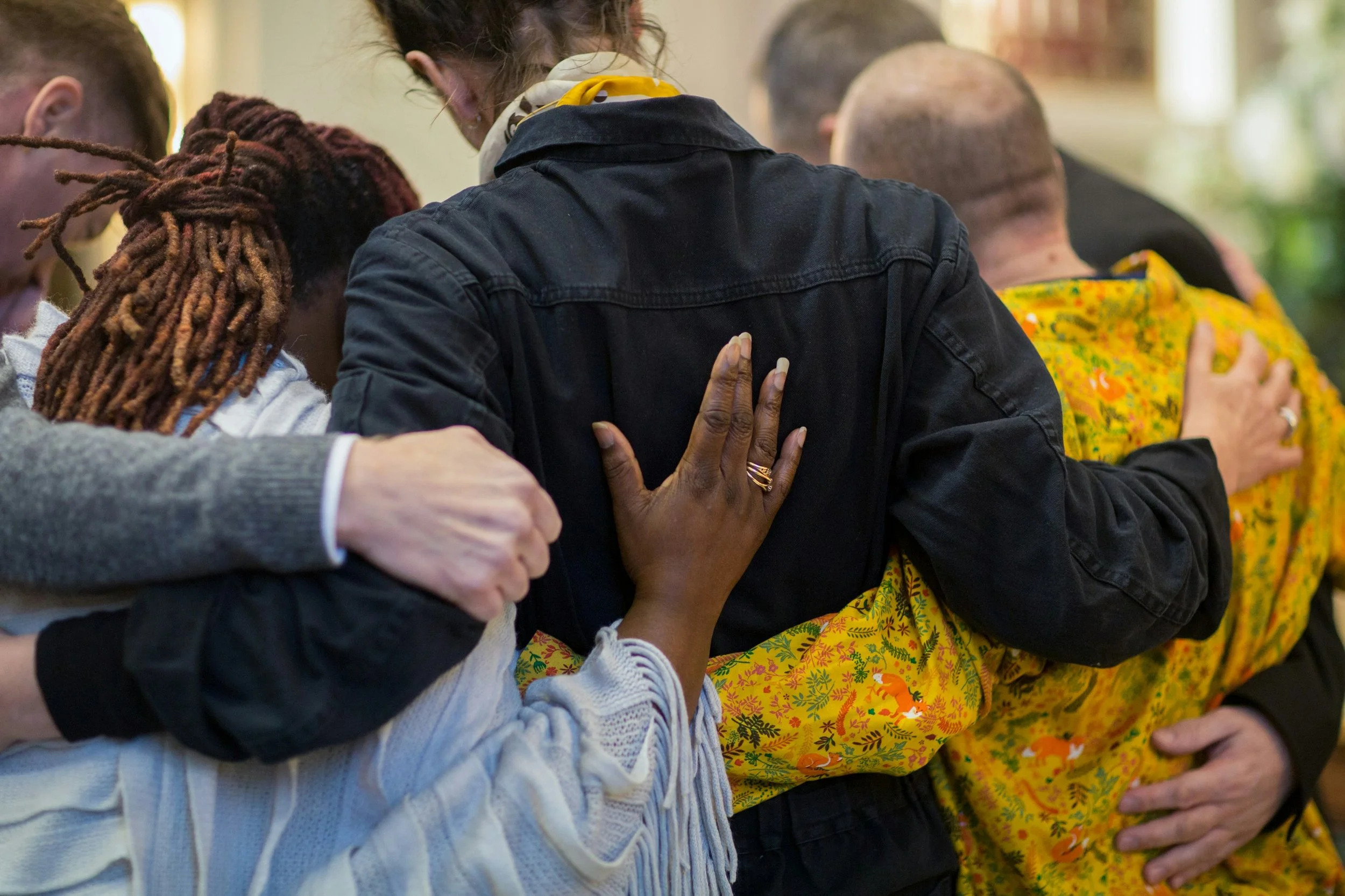
Actions often speak louder than words when someone is grieving. Instead of saying “Let me know if you need anything,” make specific offers like “I’m bringing dinner on Tuesday—does 6 PM work?” or “Can I pick up groceries for you this week?” Grieving people often struggle with daily life tasks and may not have the energy to ask for help or think about what they need.
Practical support might include:
Bringing meals or gift cards for food delivery
Helping with errands, childcare, or pet care
Assisting with funeral arrangements or practical matters
Helping with financial matters, such as organizing bank accounts or handling estate paperwork
Doing household tasks like laundry, dishes, or yard work
Simply sitting with them without needing to talk
The key is to be specific and follow through. Vague offers rarely lead to actual help because grieving people may feel too overwhelmed to coordinate or worry about burdening others. Taking initiative shows you care and removes the burden of asking.
Physical presence matters too. Spending time with a grieving person—even in silence—can be powerful. You might watch TV together, go for walks, or just sit in the same room. Your presence reminds them they’re not alone, even when grief feels isolating. Simply being there helps them feel connected as they process life without their loved one. Spend time listening when they want to talk, and respect when they need quiet. Grieving takes energy, and your patience matters.
We consistently see that the most helpful friends and family members show up repeatedly, not just in the first week. Grief doesn’t follow neat timelines, and support is often needed most after the initial crisis passes and everyone else has moved on. We encourage people to check in regularly, remember difficult anniversaries and holidays, and maintain connection throughout the grieving process. Small gestures of remembering—a text on a hard day, mentioning the deceased by name—can mean everything months or years later.
Cultural Sensitivity and Personal Differences in Grief

Grief hits everyone differently—it's deeply personal territory, shaped not just by the loss itself but by your cultural background, spiritual beliefs, and whatever coping skills you've picked up along the way. How you grieve can look completely different from your neighbor, your sister, or your best friend, and getting that is crucial if you want to actually help someone who's hurting.
Cultural sensitivity? It's huge when it comes to grief—both how you experience it and how you show up for others. In some cultures, mourning becomes this communal event where family and friends gather to swap stories, let emotions fly, and celebrate the person's life out loud. Other cultures keep things more private—you maintain your composure, handle feelings quietly, maybe hold everything close to the chest. Picture this: some families might observe specific rituals, don mourning clothes, or hold these extended ceremonies that stretch for days, while others prefer intimate gatherings or personal reflection time. Here's the thing—there's no right or wrong way to grieve. What matters is honoring whatever traditions and values feel most meaningful to the person who's hurting.
Personal differences shape this whole process too. Some people feel this intense longing for the person who died—like a constant ache. Others experience anger, guilt, or even relief (especially when someone's been suffering from terminal illness or prolonged pain). These complex, messy emotions? They're all normal responses to loss. If you've got a history of trauma, or you're dealing with complicated grief or prolonged grief disorder, getting back to daily life can feel nearly impossible. When symptoms like persistent sadness, trouble accepting the death, or feeling completely stuck start interfering with day-to-day functioning—that's when you might need some extra support.
Disenfranchised grief is another piece of this puzzle that people don't talk about enough. This happens when your loss isn't widely recognized or validated by others—think the death of a same-sex partner, a miscarriage, or losing a beloved pet. People experiencing disenfranchised grief often feel isolated or pressured to hide their pain, which makes processing those emotions even harder. Then there's anticipatory grief—this confusing mix of emotions that shows up when someone you love is facing a terminal illness, bringing up all kinds of feelings long before the actual loss happens.
If you—or someone you care about—is struggling with complicated grief, prolonged grief, or any form of disenfranchised grief, reaching out for support isn't just important, it's essential. A therapist or grief counselor can offer this safe, non-judgmental space where you can fully express whatever's going on and develop real coping skills for navigating the grieving process. Professional support becomes especially valuable when grief reactions start hijacking your daily life or when cultural or personal factors make it tough to find understanding within your community.
Here's the bottom line: supporting someone through grief means meeting them exactly where they are—respecting their unique experience, honoring their cultural traditions, and validating their emotions, no matter how messy or complex things get. When you approach grief with genuine empathy and cultural sensitivity, you can help your loved ones find a path toward healing, even when everything feels impossible.
What if you're supporting someone with complicated or disenfranchised grief?
Some types of grief don’t receive the same recognition or support as others, making your role even more important. Disenfranchised grief occurs when someone’s loss isn’t widely acknowledged—like losing a same-sex partner, experiencing miscarriage, grieving an estranged family member, or losing a pet. People experiencing disenfranchised grief may feel pressure to hide their pain or minimize their loss. However, it’s not possible to simply tuck messy emotions away, as grief is often unpredictable and complex.
If you’re supporting someone with disenfranchised grief, validate their loss explicitly. Say “Your grief is real and valid” or “This loss matters, and so do your feelings.” Don’t compare their loss to what you think is a “bigger” loss or suggest they should be “over it” quickly because others don’t understand.
Complicated grief and prolonged grief disorder involve intense grief that continues for more than a year and significantly interferes with daily functioning. Signs include persistent intense longing, trouble accepting the death, feeling stuck, or losing interest in life. If you notice these symptoms of grief persisting, you can gently suggest professional help by saying “Have you thought about talking to a therapist or grief counselor? They have specific training for helping people through grief.” Support groups like The Compassionate Friends exist specifically for bereaved parents, offering both peer-led and professional support.
Anticipatory grief—grief before someone dies, such as when a family member has a terminal illness—also deserves recognition. People experiencing anticipatory grief may feel guilty for grieving while their loved one is still alive. Acknowledge this is real grief and offer support throughout the process, not just after death. Anticipatory grief when caring for a dying relative can be just as intense as grief after death. The grieving process often starts long before the actual loss. Some people maintain an ongoing relationship with the deceased through memories, rituals, or personal reflection, which can help them adapt after loss.
How do you support someone through the stages of grief?
While the stages of grief (denial, anger, bargaining, depression, and acceptance) are widely known, grief doesn’t actually follow a predictable path. Each person grieves in their own way, and there is no typical response to loss. Not everyone experiences these stages, and they don’t happen in any particular order. Some people feel multiple emotions at once, while others may not experience certain stages at all. Understanding this helps you avoid putting expectations on how someone “should” be grieving. The five stages of grief aren’t a roadmap—they’re just one way to understand complex emotions. Grief reactions vary widely, and anger, sadness, and depression can come and go unpredictably.
Instead of focusing on stages, pay attention to what the person needs in each moment. Someone having an angry day might need you to listen without judgment. Someone in deep sadness might need quiet companionship. Someone having a better day might appreciate doing something normal together. Complex emotions like anger, guilt, relief, or even laughter are all natural grief responses. Feelings don’t come in neat packages, and your loved one might feel guilty one day and angry the next. As part of the grieving process, people often try to make sense of their loss and what it means for their lives. Grief brings up confusing emotions that shift constantly.
Physical symptoms often accompany grief—trouble sleeping, changes in appetite, fatigue, or difficulty concentrating. You can acknowledge these symptoms of grief by saying “Grief affects the whole body, not just emotions. It’s okay if you’re exhausted or can’t focus right now.” This validation helps normalize their experience and reminds them that physical symptoms are a normal response to loss. Understanding grief means recognizing it impacts every part of life.
Be especially attentive during difficult circumstances like holidays, birthdays, the anniversary of the death, or other significant dates. Check in before these occasions and offer specific support. Understanding grief means recognizing that pain can resurface unexpectedly, even as time passes. Grief doesn’t disappear—it changes shape. People continue to live their lives while adapting to grief, and although grief may change over time, it often remains a part of their lives. Support your loved one through all the ups and downs.
In our experience working with clients in Providence, Cranston, and Edgewood, we see that grief support needs change over time. Early on, people may need help with practical matters and just getting through each day. Later, they may need someone to talk to about their loved one or help processing confusing emotions. Being a good support person means staying flexible and checking in on what’s needed now, not what you think should be needed based on time passed.
When should you encourage someone to seek professional help for grief?

Most people work through grief with time and support from friends and family, but some people experiencing grief may need extra support, especially if their symptoms are severe or prolonged. Encourage seeking a therapist or grief counselor if you notice persistent symptoms that interfere with daily living, such as being unable to accept the death after many months, complete withdrawal from relationships, inability to function at work or home, or thoughts of self-harm. Prolonged grief that disrupts daily life may require specialized support. Complicated grief can lead to severe depression if left untreated, so it’s important to seek support when needed.
Signs that professional help might be needed include:
Grief that remains as intense a year or more after the loss
Complete inability to talk about the deceased or their death
Avoiding all reminders of the loved one
Severe depression, anxiety, or panic attacks
Substance use to cope with pain
Neglecting basic self-care or health
In some cases, persistent complex bereavement disorder may be diagnosed when severe, long-lasting grief symptoms significantly impair daily functioning. This condition is recognized in clinical manuals such as the DSM-5 as an area for further study and is distinct from normal grief.
You can suggest professional help by framing it as a tool, not a failure. Try saying “I care about you and I’m worried. Have you considered talking to someone who specializes in grief? It doesn’t mean anything is wrong with you—it just means you’d have extra support.” You might also offer to help find a grief counselor or support groups in the Providence area, or to go with them to a first appointment if they’re nervous. Support groups can provide connection with others who understand their pain. Professional help for grief, whether individual therapy or support groups, can ease depression and help process complex feelings.
Remember that suggesting professional help doesn’t mean you’re abandoning them. You can continue being a supportive friend or family member while they also work with a therapist. Having both personal support and professional guidance often provides the most comprehensive help. Your ongoing presence as a friend or family member matters, even when professional help for grief is also needed. Supporting someone who is grieving takes patience, and combining your care with professional support can make all the difference.
If you’re looking for guidance on supporting a grieving loved one, the therapists at Providence Therapy Group are here to help. Schedule an appointment to get started.
Frequently Asked Questions About Grief
What is grief and how does it affect a person?
Grief is a natural response to a significant loss, such as the death of a loved one or other major life changes. It can affect individuals in multiple ways, including emotional, physical, cognitive, and behavioral symptoms. People may feel numb, experience confusing emotions, or have difficulty concentrating. Grief disrupts normal circumstances and can make daily life challenging.
What are some common types of grief?
There are multiple ways to experience grief, including anticipatory grief (before the loss occurs), delayed grief (when emotions surface much later), disenfranchised grief (when the loss is not socially recognized), and complicated grief, which involves prolonged and intense symptoms that interfere with daily living.
How long does the grieving process usually last?
There is no typical loss timeline or “right” duration for grieving. The grieving process varies greatly from person to person, and healing happens gradually. Contrary to popular belief, grief does not follow neat stages or a fixed schedule, and some people may feel numb or stuck at times.
When should someone seek help from a grief expert or therapist?
If grief symptoms persist for many months, interfere with daily life, or include intense longing, depression, or inability to fully express feelings, it may be helpful to seek support from a therapist or grief counselor. Professional help can provide coping skills and guidance to manage complex emotions and prolonged grief.
What can I do to support a bereaved parent or loved one?
Offering specific practical help, listening without judgment, and validating their feelings can make a meaningful difference. Avoid rushing them to “move on” or minimizing their pain. Remember that grief brings messy emotions, and simply being present can help those grieving feel less isolated.
Disclaimer: This article is for educational purposes only and is not a substitute for professional medical advice, diagnosis, or treatment. Always seek the advice of your physician or qualified mental health provider with any questions you may have regarding a medical or mental health condition. If you are in crisis or experiencing thoughts of self-harm, please call 988 (Suicide and Crisis Lifeline) or go to your nearest emergency room.