
Suicide Prevention Month in Rhode Island: A Community Guide to Resources, Support, and Action
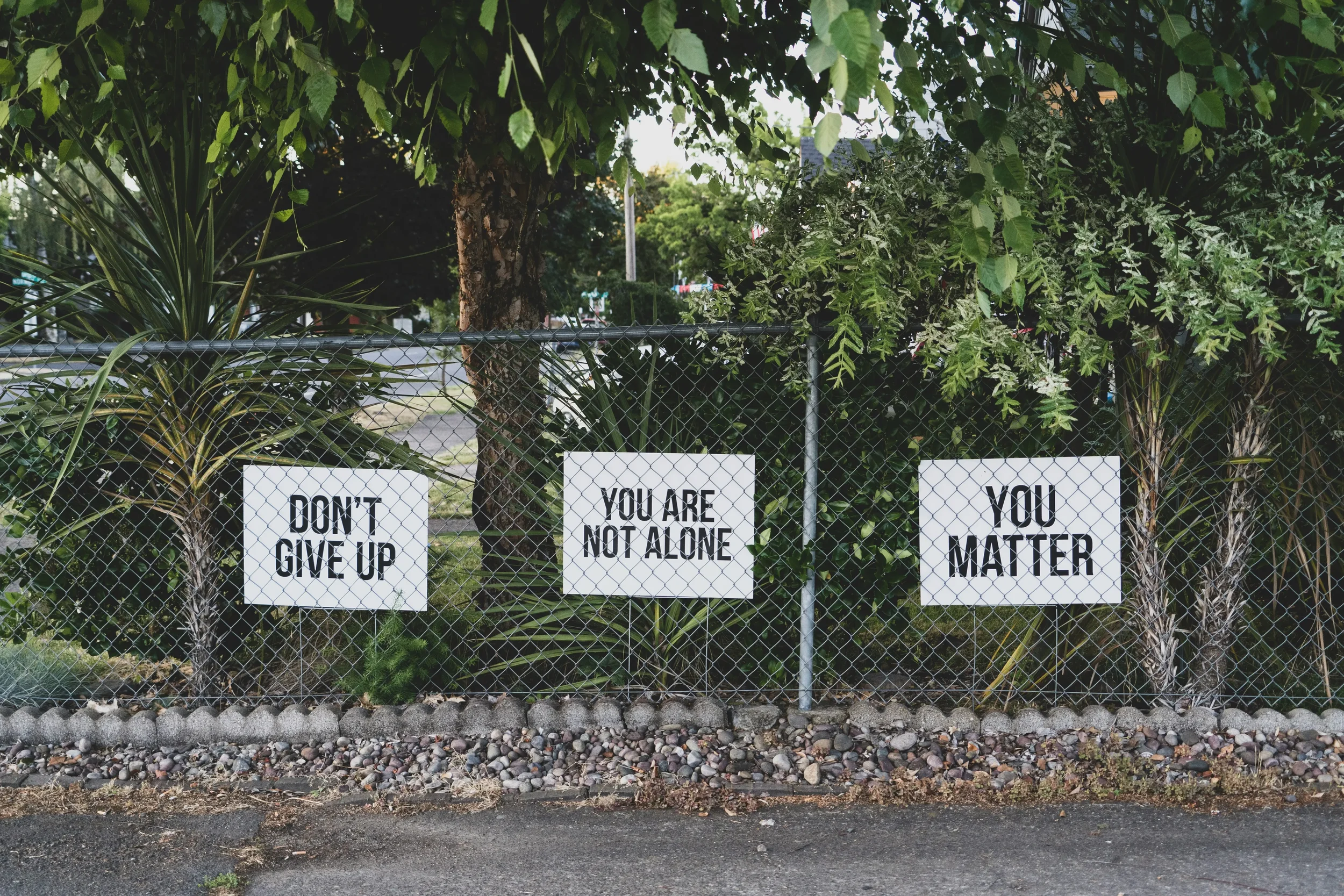
National Suicide Prevention Month — observed annually in the month surrounding World Suicide Prevention Day on September 10 — is a time for communities to come together, learn, reduce stigma, and connect people with the support they need. Suicide prevention efforts happen at every level in Rhode Island: in clinics and schools, in faith communities and workplaces, in conversations between neighbors and friends. These efforts are part of a national strategy to prevent suicide and save lives across all communities, including improving access to evidence-based care
This guide is for Rhode Island residents: those who are struggling, those who are worried about a loved one, and those who want to understand how community based programs and everyday connection support suicide prevention and help save lives.
Why Suicide Prevention Is a Community Responsibility
Suicide prevention is not something that happens only in emergency rooms and therapists' offices — though those settings matter enormously. It happens in communities, in relationships, and in the policies and programs that shape whether people have access to care, connection, and support.
This is what makes suicide prevention different from individual clinical care: it requires the whole community. Every person who learns to ask "are you okay?" and really means it. Every organization that trains its staff to recognize suicidal thoughts and emotional distress. Every school that teaches young people that asking for help is a sign of strength. Every community that builds the kind of connection that makes people feel they belong. Community based suicide prevention efforts are part of a broader national strategy that depends on all of us.
Who Is Most Affected: Understanding Risk and Equity
Suicide affects people of all backgrounds — but not equally. Some communities face significantly higher rates of suicide and suicidal thoughts, often because of the conditions they live in rather than individual vulnerability.
Research finds housing instability, economic hardship, and discrimination are significantly associated with elevated suicide risk — and these factors disproportionately affect communities of color, LGBTQ+ individuals, and indigenous communities. Effective suicide prevention must address these upstream conditions, not only suicidal crisis response. Anxiety and depression — which are strongly linked to suicidal thoughts — are also more prevalent in communities facing these stressors.
Youth and young adults
Young people face unique vulnerabilities. Suicide is among the leading causes of death for youth in the United States, and rates of suicidal thoughts among adolescents have risen significantly in recent years. Social isolation, academic pressure, family conflict, bullying, and the mental health effects of social media all contribute to emotional distress in this age group.
Rhode Island's Kids' Link RI provides 24/7 behavioral health triage services for children and families — a vital resource for parents who are concerned about a young person in their lives.
LGBTQ+ individuals and trans people
LGBTQ+ individuals — and particularly trans people — face significantly elevated rates of suicidal thoughts, suicide attempts, and dying by suicide compared to cisgender, heterosexual peers. Rejection, discrimination, lack of family support, and the stress of living in a society that does not always affirm their identity all contribute to this disparity.
The Trevor Project provides crisis intervention and emotional distress support specifically for LGBTQ+ young people. Their 24/7 crisis lifeline is available by phone, text, or chat. Trans Lifeline offers peer support for trans people in crisis, staffed entirely by trans people.
For LGBTQ+ Rhode Islanders, finding affirming mental health services matters. A therapist who understands the specific stressors and strengths of LGBTQ+ identities provides qualitatively different care.
Indigenous communities
American Indian and Alaska Native communities experience some of the highest rates of suicide and death by suicide in the United States. Urban Indian organizations and tribal organizations often provide the most culturally appropriate suicide prevention programs and crisis support for community members. Effective prevention in these communities must be community-led, culturally grounded, and connected to tribal organizations and networks of support.
Communities experiencing substance abuse and substance use
Substance abuse and substance use significantly increase suicide risk — both directly, through the physiological effects of substances, and indirectly, through the social isolation, shame, and loss of connection that often accompany addiction. Perinatal periods can also be times of elevated vulnerability, making specialized perinatal mental health care in Providence an important component of comprehensive suicide prevention. A comprehensive Lancet review emphasizes the strong bidirectional relationship between substance use and suicidal behavior — and that substance abuse treatment is itself a form of suicide prevention.
Rhode Island Crisis Resources
If you or someone you know is struggling, these resources are available now — free and confidential.
988 Suicide and Crisis Lifeline
Call or text 988 — available 24 hours a day, 7 days a week. Free confidential conversations with trained counselors. When you reach out, you can expect immediate support, a calm conversation about what you're feeling, and help finding next steps. The 988 Lifeline also offers chat support and an online database of local resources at 988lifeline.org. Rhode Island's 988 service connects callers to local crisis counselors who understand our communities. Whether you're in suicidal crisis or simply need someone to talk to, 988 is the right call. For more information and local resources, visit 988lifeline.org.
BH Link Hotline
Call (401) 414-LINK (5465) — Rhode Island's Behavioral Health Link provides 24/7 access to behavioral health crisis care, including connections to mobile crisis teams that can come to you.
The Providence Center
The Providence Center provides emergency mental health evaluations and crisis stabilization services in the Providence area. They offer mental health services across Rhode Island.
Samaritans of Rhode Island
The Samaritans of Rhode Island offer a local helpline and emotional support for people experiencing emotional distress — not only those in acute crisis, but anyone who needs someone to talk to.
NAMI Rhode Island
NAMI Rhode Island provides education, support groups, and advocacy for individuals with mental illness and their families, including community programs, therapeutic support groups, and peer connection.
Crisis Text Line
Text START to 741741 — free confidential text support available 24/7, connected to trained crisis counselors. A good option if calling feels too difficult.
Kids' Link RI
For children and families: 1-855-543-5465 — 24/7 behavioral health triage for youth.
Trevor Project
For LGBTQ+ young people: 1-866-488-7386 or text START to 678-678. Free and confidential, 24/7 crisis intervention and emotional distress support.
From the Therapist
"Calling 988 does not always mean you will be hospitalized or lose control of your situation. The vast majority of calls end with the person feeling more supported — not with an emergency response. Counselors are trained to listen carefully, help you think through your options, and connect you to the right level of care. If you've been afraid to call because of what might happen, please know: reaching out is almost always the most empowering step."
What Suicide Prevention Looks Like in Communities

Gatekeeper training
Gatekeeper training teaches everyday people — not just mental health professionals — to recognize the warning signs of suicidal thoughts and suicidal crisis, ask directly, listen without judgment, and connect people to help. Suicide prevention programs like QPR (Question, Persuade, Refer) are available to schools, workplaces, faith communities, and community based organizations throughout Rhode Island.
Community-based mental health services
Access to ongoing mental health services — not just crisis intervention — is fundamental to suicide prevention, and many people benefit from working with a top individual therapist in Providence. Research finds that community-based delivery of evidence-based care reaches populations who would not engage with specialty settings — including those in underserved areas and communities with historical reasons to distrust healthcare institutions. Research also continues to evaluate the effectiveness and outcomes of suicide prevention programs delivered in community settings.
In Rhode Island, this means making mental health services available in community health centers, schools, faith settings, and wherever people already are — not only in specialized outpatient clinics — including through convenient online teletherapy options. In community care, that also includes high-quality, evidence-based therapies such as CBT and EMDR for trauma treatment.
Reducing access to lethal means
Lethal means counseling — conversations between clinicians and at-risk patients or their families about securing or removing access to means — is one of the most evidence-based individual suicide prevention practices. When access to means is reduced, suicide attempts decrease. This is a conversation that can happen in primary care, in emergency departments, and in therapy offices.
Building connection
A comprehensive review emphasizes that social connection — belonging, being known, having relationships that provide support — is among the strongest protective factors against suicide, across age groups, cultures, and risk profiles. Connecticut's suicide prevention plan shows how that connection-building can be organized at scale, with a coalition of over 900 members. Communities that invest in reducing isolation, strengthening social bonds, and ensuring that vulnerable members feel connected are engaging in suicide prevention, even when that work isn't labeled as such.
From the Therapist
"In our experience working with people in Providence and across Rhode Island, some of the most important suicide prevention work doesn't look like clinical intervention. It looks like a neighbor who checks in, a coach who notices that a student seems withdrawn, a coworker who asks how someone is really doing. These moments create the conditions in which people feel they matter — and that feeling matters enormously. Professional support builds on what community connection makes possible, and community programs can encourage help-seeking behaviors."
What to Do If You're Worried About Someone
Ask directly
If you're worried about someone, don't wait for them to bring it up. The most important thing you can do is ask, because asking directly can help identify someone who may be at risk. Ask directly: "Are you thinking about suicide?" or "Are you okay? I'm worried about you." Research consistently shows that asking does not increase risk — it reduces it, by breaking the isolation that suicidal thoughts depend on.
Listen without trying to fix
After asking, your most important job is to stay present. When someone discloses suicidal thoughts or emotional distress, the most helpful response is not advice or problem-solving — it is listening. Stay present. Reflect back what you hear. Don't minimize or rush to reassure. Let them know you take what they're saying seriously.
Help them connect to support
Help them call 988 together. Offer to go with them to an appointment. Follow up in the days after the conversation. Don't treat the conversation as resolved just because it happened once — sustained connection is one of the most powerful ways to prevent suicide and support someone through a suicidal crisis.
Take immediate action when needed
If someone is in immediate danger — if they have a plan, if they have means available, if they have indicated they intend to act — call 911, take them to the nearest emergency department. Your judgment about immediate safety matters more than preserving the relationship in the moment.
From the Therapist
"To anyone reading this who is experiencing suicidal thoughts or emotional distress: what you're going through is real, and it deserves real support. Suicidal thoughts are a signal that something needs to change — not that your situation is hopeless. People recover. Life can feel very different with the right support. You are worth the effort of reaching out, and there are people in Rhode Island who are ready to help you. Please don't wait until things get worse."
Getting Professional Support in Providence
The therapists at the Providence Therapy Group provide compassionate, evidence-based care for individuals experiencing depression, trauma, suicidal thoughts, and the mental health conditions most associated with suicide risk, and we aim to help identify and treat suicide risk early. We work with adults across Providence, Cranston, and Edgewood, with support that may also include integrated substance abuse treatment and Cognitive Behavioral Therapy (CBT) and other evidence-based mental health services as needed.
If you are struggling — whether or not you would describe what you're experiencing as a crisis — please reach out for online or in-person therapy with a licensed therapist in Providence. Schedule an appointment to begin.
If you or someone you know is in crisis, please call or text 988 — free and confidential, 24 hours a day. Crisis Text Line: text START to 741741. If there is immediate danger, call 911 or go to your nearest emergency room.
Not sure where to start?
Talk to a Providence therapist who can work with you.
Disclaimer: This article is for educational purposes only and is not a substitute for professional medical advice, diagnosis, or treatment. If you are experiencing thoughts of suicide or self-harm, please seek immediate professional help.**
From the Therapist
"Naming what's happening — recognizing this as existential distress, not a personal failing — consistently changes something."