
7 Signs You Need Couples Therapy | When to Seek Help
7 Signs You Need Couples Counseling: When It's Time to Seek Help
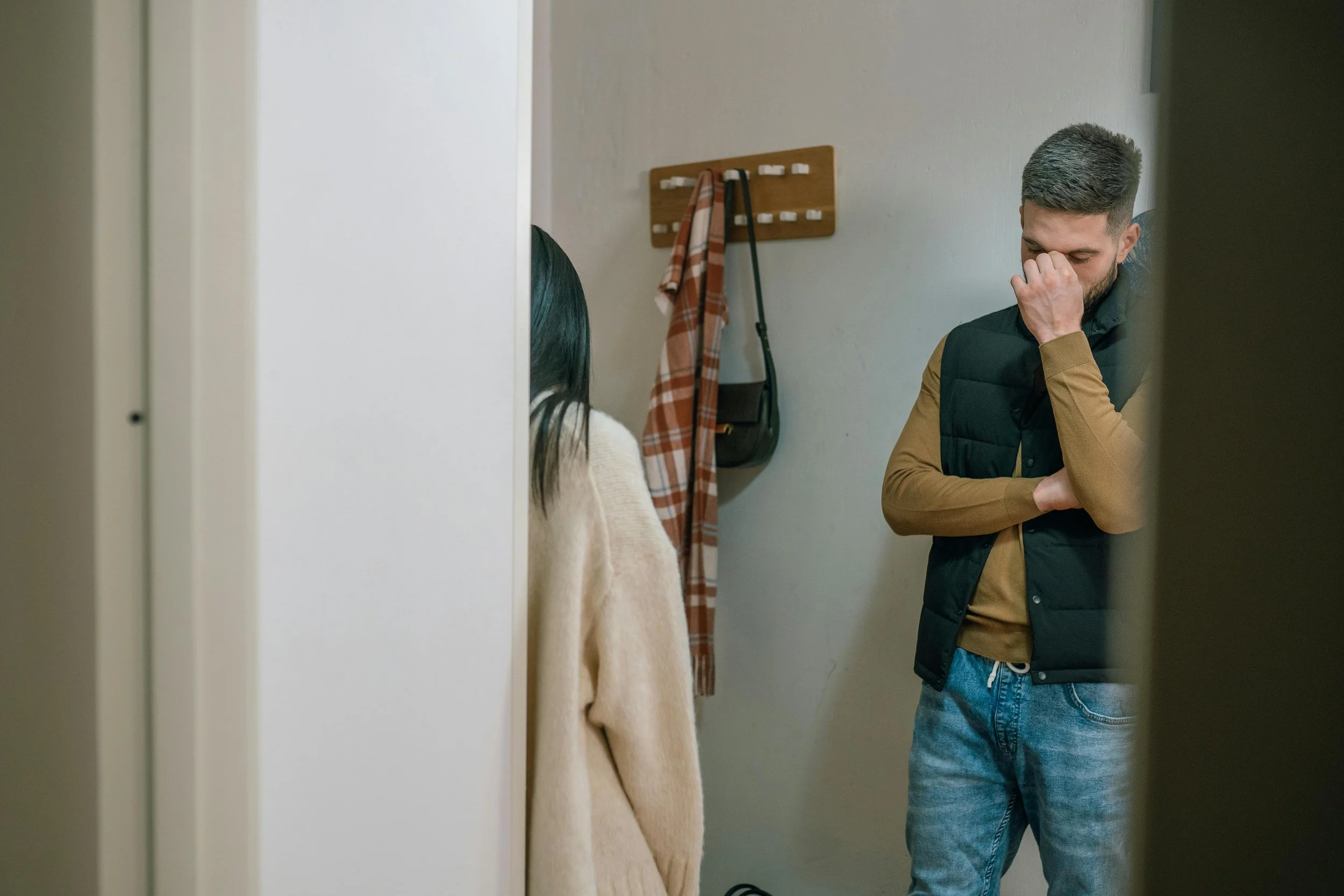
Every relationship goes through rough patches. But how do you know when you’re dealing with normal ups and downs versus problems that need professional help? If you’re wondering whether couples therapy might be right for you and your partner, you’re not alone. Marriage can face challenges that feel overwhelming, but help is available. Research shows that about 70% to 80% of couples who attend therapy report feeling better in their relationship, and the benefits often last long after treatment ends.
Couples counseling is when partners seek outside help in their relationship, typically from a licensed mental health provider, such as a clinical psychologist, who can provide expert support and guidance.
Here are seven signs that you and your partner might benefit from couples counseling. Whether you’re in a new relationship or have been married for years, recognizing these signs can help you take steps to strengthen your marriage and improve your relationship.
1. You can't talk about important issues without fighting
If conversations about important topics consistently turn into arguments or lead to shutting down, that’s a clear sign you need support. Sometimes, this emotional withdrawal takes the form of the silent treatment, which signals a communication breakdown and unresolved conflict. You might notice that you and your partner avoid discussing money, parenting, intimacy, or future plans because you know it will end in conflict. Or perhaps you try to talk but feel like your partner doesn’t listen to you or understand your feelings. Feeling unheard or misunderstood during discussions can create a significant emotional gap.
Communication problems are one of the most common reasons couples seek therapy. When you notice patterns where the same arguments happen over and over, it’s a sign that you’re stuck in unhelpful patterns that therapy can help change. Frequent, increasing, or intense arguments can harm a relationship, and ongoing relationship distress can result from unresolved communication issues. Poor communication doesn’t mean your relationship is failing—it means you haven’t yet learned the skills to talk through differences effectively. A lack of effective communication can lead to misunderstandings and emotional distance.
Marriage counseling teaches communication skills like active listening, expressing needs clearly, and responding without defensiveness. A couples therapist can help you break destructive patterns and develop strategies for honest conversations that bring you closer. Learning these communication skills can transform your relationship.
In our practice working with couples in Providence, Cranston, and Cumberland, we often see partners who describe feeling like they’re “walking on eggshells” or avoiding certain topics entirely. We remind them that avoiding communication doesn’t protect the relationship—it creates distance. Learning how to talk about hard things is one of the most valuable skills couples therapy can teach, and we see relationships transform when partners finally feel heard by each other.
2. You feel emotionally disconnected from your partner
Feeling like you’re living separate lives or that you’re more like roommates than romantic partners is a major sign it’s time for help. Emotional distance often shows up as less affection, less quality time together, decreased physical intimacy, or one or both partners seeming emotionally withdrawn or uninterested. This emotional withdrawal can create distance and disconnect in a relationship, making it harder for partners to feel close and supported.
This type of disconnect can develop gradually. Maybe you used to share your thoughts and feelings regularly, but now you keep things to yourself. Perhaps you don’t feel excited to see your partner at the end of the day, or you’d rather spend time alone or with friends.
Loss of physical intimacy often mirrors deeper emotional disconnect. When the emotional bond weakens, physical closeness can feel forced or uncomfortable, creating frustration and loneliness. A loss of physical intimacy can cause frustration and loneliness in a relationship, and a noticeable decline in physical intimacy often mirrors a deeper emotional distance.
Marriage counseling can help you explore what’s causing the distance and rebuild intimacy. Therapists use approaches like Emotionally Focused Therapy and Gottman Couples Therapy to help partners reconnect emotionally and feel closer to each other again. Addressing these issues proactively is important to maintain and strengthen one's relationship. Addressing this disconnect early can prevent further damage to your relationship.
3. You're stuck in the same conflicts over and over
If you argue frequently about the same topics—money, parenting, household responsibilities, in-laws—and never seem to resolve them, couples counseling can help. These recurring conflicts often stem from deeper underlying issues about values, expectations, or unmet needs. Frequent and unresolved conflicts indicate underlying problems and ineffective problem-solving strategies, and can be a sign of couple distress.
Research shows that couples therapy is particularly effective at helping partners understand and resolve ongoing conflicts. When conflicts feel intense and hard to resolve on your own, or when you notice patterns of criticism, defensiveness, contempt, or stonewalling (the “Four Horsemen” that relationship researcher John Gottman identified as particularly destructive), professional intervention becomes important. Destructive communication patterns, such as contempt, criticism, defensiveness, and stonewalling, are strong predictors of relationship distress and can predict relationship failure.
A marriage counselor can help you identify what’s really driving these conflicts and teach you healthier ways to address disagreements. Marriage counseling isn’t about avoiding conflict—it’s about learning to work through differences in ways that strengthen rather than damage your relationship. When you and your partner can resolve conflicts effectively, your relationship becomes more resilient.
We consistently see couples who come in saying “We have the same argument every week.” What we help them discover is that the surface issue—whether it’s about dishes or spending—is rarely the real problem. Usually, there are deeper needs or fears underneath. One partner might feel unappreciated, while the other feels criticized. Once we help couples understand what’s actually happening beneath the argument, they can finally move forward instead of staying stuck in the same loop.
4. Trust has been broken in your relationship
Infidelity, financial secrecy, broken promises, or other breaches of trust create deep wounds that are challenging to heal without professional guidance. Whether there’s been a full affair or emotional infidelity, or if you or your partner struggle with jealousy and suspicion, trust issues make it hard to feel safe or secure. Trust issues can stem from past experiences or current behaviors, including sexual behavior and financial secrecy. Persistent trust issues, such as infidelity or financial secrecy, can destabilize a relationship and are challenging to repair without professional guidance.
Marriage counseling provides a structured environment to process pain and potentially rebuild trust. Counseling provides a structured environment to process pain and potentially rebuild trust, and understanding each other's feelings is crucial during this process. A family therapist can help both partners understand what led to the breach, facilitate honest conversations about hurt feelings, and guide you through the difficult work of deciding whether and how to move forward.
It’s important to know that not all relationships recover from infidelity, but many do with proper support. Infidelity can devastate a relationship and lead to feelings of betrayal and anger. Therapy gives you the tools and space to make informed decisions about your relationship’s future. Many married couples work through trust issues and come out with a stronger marriage.
5. Major life changes are straining your relationship
Big life transitions—having a baby, job loss, moving, illness, caring for aging parents, or children leaving home—can put immense pressure on even strong relationships. Caring for an ill parent or navigating other major changes can take up a big portion of your time and energy, impacting the relationship dynamic. When external stress makes it harder to support each other, or when you’re navigating different parenting styles—which may be influenced by your partner's family background—or disagreeing about how to handle these changes, couples counseling can help.
Research shows that major life stressors affect relationships, but therapy can help you manage stress together. Major life transitions can cause tension and stress in relationships, and marriage and family counseling or marital and family therapy can provide support for both the couple and the family unit. A couples therapist can provide tools for improving communication during difficult times and maintaining your connection when life feels overwhelming.
These transitions often reveal differences in values, expectations, or coping styles that you and your partner hadn’t faced before. Couples therapy can help you navigate major life changes together by providing tools for managing stress and improving communication. Marriage counseling helps you address these differences and develop strategies for supporting each other through change. Many couples find that navigating major life transitions together actually strengthens their marriage when they have the right support.
6. Mental health issues are affecting your relationship
When one or both partners are dealing with depression, anxiety, substance use, or another condition, it can take an emotional toll on the relationship. You might feel like you don’t know how to support your partner’s wellbeing, or individual struggles might be creating conflict and distance. Each partner brings their own hopes, dreams, and personal challenges to the relationship, which can influence how mental health issues are experienced and addressed.
Importantly, research shows that couples therapy can help both the relationship and individual symptoms when one partner is struggling. In fact, couple-based interventions can be effective for addressing individual conditions while also strengthening the relationship. Unresolved past issues can hinder a relationship's ability to move forward, and therapy can help address these barriers.
This doesn’t mean marriage counseling replaces individual therapy—sometimes both are needed. But addressing how challenges affect your partnership can make a big difference for both partners and the relationship as a whole.
In our experience working with couples in the Providence area, we find that mental health challenges often create a cycle where relationship stress worsens individual symptoms, which then creates more relationship stress. We help couples break this cycle by improving communication about mental health needs, teaching partners how to support each other effectively, and addressing how symptoms like withdrawal or irritability are impacting the relationship. When both partners understand what’s happening and work together, the whole system improves.
7. You want to strengthen your relationship before problems get worse
You don’t need to wait for a crisis to seek couples therapy. Many healthy couples use marriage counseling proactively to improve communication, learn skills to prevent future problems, feel closer to each other, or work through normal life transitions before they become sources of conflict. Each person in the relationship can benefit from learning new skills and supporting their partner's wellbeing, which helps restore emotional connection and overall health.
Research shows that marriage counseling isn’t just for crisis—it can help healthy relationships get even stronger. In fact, seeking professional help early, before problems become severe, makes them easier to resolve. Seeking counseling proactively can be highly effective for building a stronger, healthier relationship, and couples therapy can help you build healthy relationship skills and habits that equip you with the tools to overcome issues together. The earlier issues in a relationship are addressed, the easier they typically are to resolve.
Think of couples counseling like regular maintenance for your relationship. Just as you might see a doctor for checkups even when you’re healthy, working with a marriage counselor can help you stay connected and address small issues before they grow into big ones. Your partner and your marriage deserve this investment.
Online therapy options for couples

Online therapy has revolutionized the way couples can access support, making couples therapy more accessible than ever before. With online therapy, you and your partner can participate in couples counseling sessions from the comfort and privacy of your own home—eliminating the need to commute or coordinate busy schedules. This flexibility is especially helpful for partners who travel frequently, live in different locations, or simply prefer the convenience of virtual appointments that don't hijack their already-packed calendars.
Many online therapy platforms now offer specialized couples therapy services—including video calls, phone sessions, and secure messaging with a licensed therapist. This means you can seek professional help even if you live in a remote area or have difficulty finding a local couples therapist who fits your needs. Online therapy also provides a level of anonymity and comfort that can make it easier for some couples to open up about sensitive topics without the wall-to-wall pressure of traditional in-person settings.
When considering online couples counseling, it's important to choose a therapist who is licensed and experienced in working with couples in a virtual setting. Look for someone who understands the unique dynamics of online therapy and can help you and your partner address your relationship concerns effectively—without letting technical barriers steer the ship. By taking advantage of online therapy options, you can overcome common barriers to seeking help and take proactive, evidence-based steps toward a healthier, more connected relationship.
Finding the right couples therapist
Selecting an appropriate couples therapist represents a critical intervention point in your therapeutic journey toward relational wellness and improved dyadic functioning. An evidence-based practitioner can facilitate the development of adaptive coping strategies to address underlying relational discord, enhance communication patterns, and foster deeper emotional attunement between partners. When conducting your therapeutic search, prioritize clinicians who maintain professional licensure, demonstrate specialized competency in couples therapy modalities, and possess documented experience treating presenting concerns that align with your specific relational challenges.
The establishment of a strong therapeutic alliance—what psychologists recognize as the foundational element of successful treatment outcomes—requires that both partners experience comfort and psychological safety with your selected practitioner. Don't hesitate to conduct thorough clinical interviews with potential therapists regarding their theoretical orientation to couples counseling, their documented experience addressing complex issues such as parenting disagreements or financial stressors, and their approach to tailoring evidence-based interventions to meet each couple's unique relational dynamics. A competent therapist will demonstrate transparency regarding their clinical approach and work actively to establish rapport and therapeutic trust.
Remember, achieving optimal therapeutic fit may require multiple consultations—and that's entirely within normal clinical parameters. The objective is to engage with a couples therapist who can effectively guide dyadic skill development in communication competencies, address underlying systemic patterns, and facilitate the construction of a more resilient relational framework. Investing adequate time in this clinical selection process represents a positive step toward achieving sustainable therapeutic change and improved relationship functioning.
Navigating financial issues in couples therapy
Money—it's one of those topics that can turn a quiet dinner into a full-blown relationship storm, and honestly? It shows up in couples therapy sessions more than you might think. Here's the thing: couples counseling gives you a judgment-free space to actually talk about financial stress, spending habits, and those big-picture goals that otherwise spiral into misunderstandings or heated arguments. A skilled couples therapist can help you and your partner develop strategies to manage money together—think of it as learning to navigate financial waters without capsizing the relationship. They'll guide you toward better communication about finances and help you dig into the underlying issues that might be fueling the conflict (because let's face it, it's rarely just about the money itself).
During therapy, you might find yourself exploring your individual attitudes toward money—where did those beliefs even come from?—discussing budgeting and saving approaches, or working through disagreements about spending priorities that feel personal but don't have to be. By addressing financial issues in a supportive environment, you and your partner can reduce that constant tension, increase trust, and create a more collaborative approach to managing your finances (instead of the usual "yours, mine, and ours" power struggles). Couples therapy can also help uncover deeper values or beliefs about money that may be impacting your relationship—those unspoken assumptions that drive behavior—allowing you to work through these challenges as a team rather than adversaries.
With the guidance of a couples therapist, you and your partner can develop healthier ways to talk about money, resolve financial conflicts, and build a stronger financial foundation for your relationship. Open, honest conversations about finances are an important part of maintaining a healthy relationship—not just the "how much did you spend?" interrogations—and therapy can help you navigate these challenges together. Think of it as learning the language of financial partnership rather than letting money become the silent relationship killer lurking in your joint checking account.

What to expect from couples therapy
Marriage counseling provides a safe space to talk about your concerns with a trained mental health professional. Marriage counselors use proven methods like Cognitive Behavioral Couple Therapy, Emotionally Focused Therapy, and Integrative Behavioral Couple Therapy, as well as family therapy, to help you address relationship conflicts, improve communication, understand each other better, and work through problems together.
Most couples attend therapy for several weeks or months. Many notice improvements relatively quickly, and research shows the benefits often last long after treatment ends. A well-trained couples therapist can support you in implementing strategies and tools to change the way you communicate. Finding the right counselor—someone you and your partner both feel comfortable with—is important for getting the most out of marriage counseling.
If one partner is hesitant about attending marriage counseling, that’s common. It can be helpful to explain the benefits, acknowledge their concerns, and emphasize that seeking professional help is a sign of commitment, not failure. Couples therapy is about more than just identifying issues; it involves developing strategies for addressing concerns and improving communication, and can help you restore or establish good communication, honesty, and trust. If your partner refuses to go to marriage counseling, individual therapy can still help you develop strategies for effective communication and improving the relationship.
When to seek help
If you recognize any of these signs in your relationship, consider reaching out to a couples therapist. Remember that asking for help is a positive step toward a healthier, happier relationship. You don’t have to wait until things feel hopeless—in fact, the earlier you and your partner seek help, the better. If thoughts of separation or divorce become persistent, or if you find yourself fantasizing about escape, it's a significant red flag that the current dynamic is unsustainable. In these cases, professional intervention is often necessary to explore whether to stay married or consider other options.
Whether you’re dealing with ongoing conflict, feeling disconnected, or just want to feel more connected, marriage counseling can help. Wanting a separation or divorce can also indicate the need for couples counseling. Many couples find that therapy helps them reconnect, communicate better, and build a stronger partnership. Your relationship deserves this investment.
If you’re considering couples counseling, the therapists at Providence Therapy Group are here to help. Schedule an appointment to get started.
Frequently Asked Questions About Couples Counseling
What are some common signs you need couples counseling?
Common signs include frequent and intense arguments, emotional distance, trust issues, loss of physical intimacy, recurring unresolved conflicts, financial issues, and difficulty navigating major life transitions. If you find yourself stuck in the same argument or feeling disconnected from your partner, it may be time to seek couples counseling.
How can couples therapy help with marital problems?
Couples therapy can help by teaching communication skills, facilitating honest conversations, addressing emotional barriers, rebuilding trust, and providing strategies to resolve issues in a healthy way. It offers a structured environment where both partners can explore underlying issues and work together to strengthen their relationship.
What should I do if my partner refuses to attend couples therapy?
If your partner is hesitant or refuses to attend, you can start by seeking individual therapy to develop effective communication strategies and better understand your own feelings. Sometimes, learning how to express one's feelings and concerns can encourage the other partner to join in later. Additionally, discussing the benefits of therapy and addressing fears about the process may help.
What is discernment counseling and when is it recommended?
Discernment counseling is a short-term therapy designed for couples where one partner wants to work on the relationship while the other is considering separation or divorce. It helps both partners gain clarity and confidence about the future direction of their relationship, whether that means staying married, separating, or pursuing couples therapy.
Can couples counseling help during major life transitions?
Yes, couples counseling can provide tools to manage stress, improve communication, and maintain connection during significant changes such as having a baby, job loss, moving, or caring for aging parents. Therapy helps couples stay on the same page and navigate these transitions together.
What role does shared values play in a great relationship?
Shared values form the foundation of a strong partnership. Even if partners have different opinions on certain topics, recognizing and building on common goals and beliefs helps couples feel connected and work through conflicts more effectively.
How effective is couples therapy for divorced couples who want to work on their relationship?
Research shows that many divorced couples who seek therapy and make a concerted effort can rebuild their relationship. Therapy provides a professional prior perspective and strategies to address past hurts, improve communication, and rebuild trust, which can be crucial for couples looking to fix things and reconnect.
Disclaimer: This article is for educational purposes only and is not a substitute for professional medical advice, diagnosis, or treatment. Always seek the advice of your physician or qualified mental health provider with any questions you may have regarding a medical or mental health condition. If you are in crisis or experiencing thoughts of self-harm, please call 988 (Suicide and Crisis Lifeline) or go to your nearest emergency room.