
Social Media and Mental Health: The Science of Notifications, Sleep, and Comparison
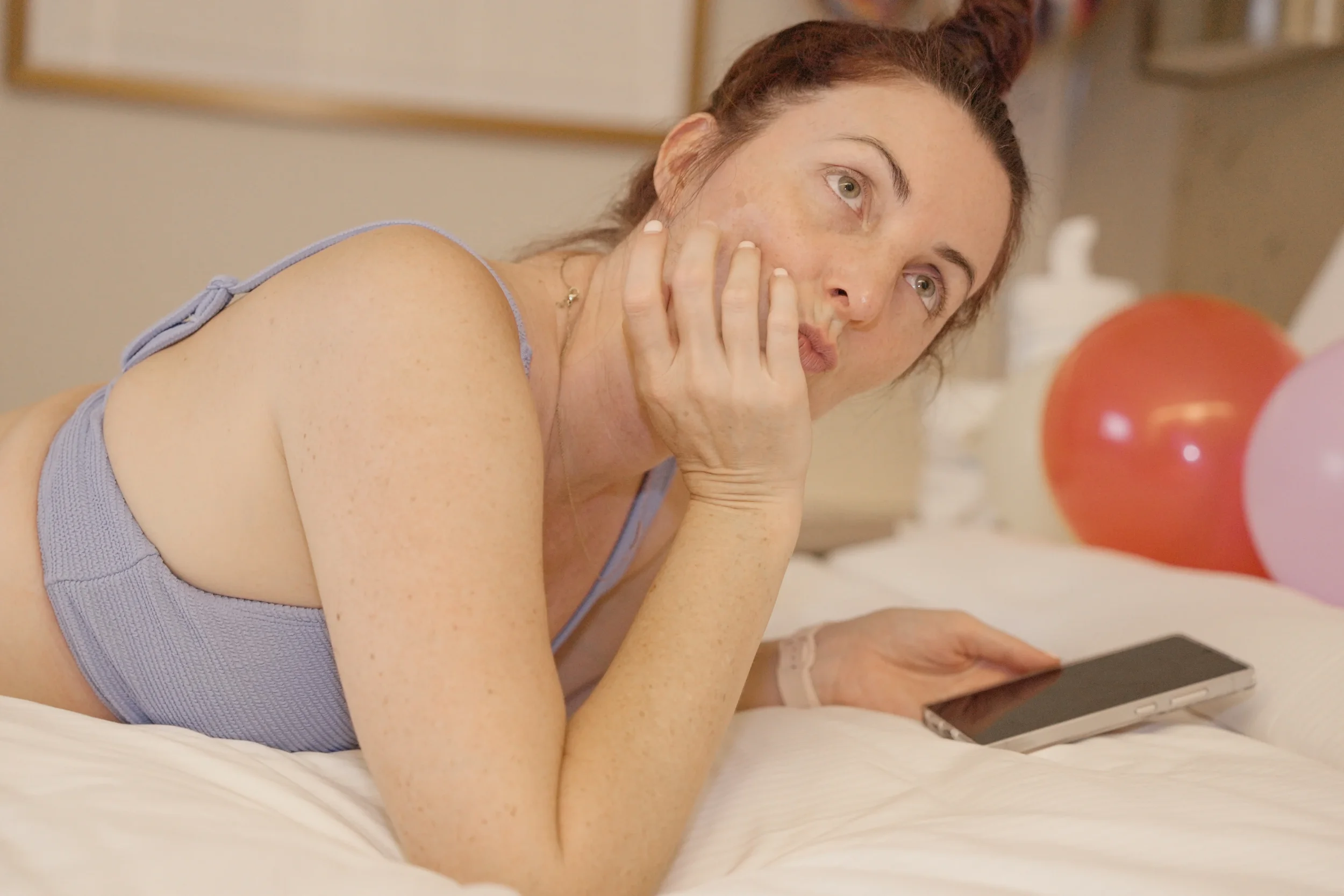
You know social media affects mental health. But do you understand how?
Most conversations focus on a simple narrative: too much scrolling causes depression and anxiety. But the science is more nuanced and more useful.
Understanding the specific mechanisms helps you protect yourself and your teens. It explains why some people spend hours on social media feeling fine, while others feel worse after 20 minutes. It reveals why your teen can't stop checking their phone despite knowing it's harmful.
This guide breaks down three key mechanisms: sleep disruption, the dopamine loop, and social comparison. Understanding these will change how you think about social media and your mental health.
The Three Mechanisms Harming Your Mental Health
Research consistently shows small but significant associations between social media use and depression, anxiety, and poor well-being. But it’s not just about time spent online — the negative effects of heavy social media usage often include inadequacy, dissatisfaction, and isolation, which can worsen depressive symptoms, anxiety, and stress, and it’s also about what happens to your brain and body while you’re there.

Here are the three primary mechanisms through which social media damages mental health.
Mechanism #1: Sleep Disruption
Social media use, especially at night, disrupts sleep — and sleep disruption is a major driver of depression and anxiety.
Here's what happens: You're supposed to wind down for bed. Instead, your phone buzzes. You check "just for a second." Thirty minutes later, you're still scrolling. Your brain is stimulated. Your sleep-wake cycle is disrupted. Blue light suppresses melatonin, the hormone that helps you fall asleep. Your body stays alert when it should be preparing for rest.
We see a pattern constantly in our practice: clients improve their sleep, and suddenly their anxiety, depression, and relationship conflicts become more manageable. Sleep isn't self-care. It's the foundation everything else is built on. When you remove your phone from your bedroom, you're not being "disciplined" — you're removing a barrier to the biological process that protects your mental health. We treat sleep like any other therapeutic intervention because it is one of the most powerful.
How Sleep Disruption Connects to Mental Health
Sleep deprivation is one of the strongest predictors of depression and anxiety in adolescents, with the connection working both ways: poor sleep worsens mental health, and poor mental health makes sleep worse, creating a cycle. In a 2018 University of Pennsylvania study, limiting use to 30 minutes a day significantly reduced anxiety, depression, loneliness, sleep problems, and FoMO.
Adolescents using social media late into the night experience worse mental health outcomes than daytime users — even controlling for total time spent. The timing matters as much as the duration.
The Specific Problem: Nighttime Use
Smartphones in bedrooms are a particular risk factor. When your phone is accessible at night, you’re more likely to check it when you naturally wake (which many people do). Constant access also lets social pressures follow teens into the home and bedroom 24 hours a day, which can keep them hyper-vigilant and anxious at night. That disrupts your ability to fall back asleep. Over weeks and months, chronic sleep deprivation accumulates.
Nighttime-specific social media use is more strongly linked to depression and anxiety than overall use, suggesting that timing matters significantly.
Removing smartphones from bedrooms at night and reducing nighttime phone use are among the highest-leverage interventions for improving both sleep and mental health.
Mechanism #2: The Dopamine Loop
Social media platforms are engineered to be addictive. This isn’t accidental — it’s by design.
The “dopamine loop” is the psychological mechanism that keeps you scrolling, with a negative impact on attention because it can overstimulate brain reward centers. Here’s how it works:
What Is the Dopamine Loop?
Dopamine is a neurotransmitter associated with reward and motivation. When you do something pleasurable (eating, receiving approval), your brain releases dopamine. That feels good, so you repeat the behavior.
Social media exploits this system using three design features:
1. Infinite scroll: Traditional websites had an end — you'd reach the bottom. Modern social media has no bottom. You can scroll forever. This creates endless potential rewards (the next post might be entertaining, someone might have liked your photo, a trending video might appear).
2. Notifications: Every like, comment, or follow triggers a dopamine hit — a small reward. Your brain learns: check phone → potential reward. So you check more frequently, especially when you hear the notification sound.
3. Auto-play: Videos play automatically as you scroll. The algorithm decides what you watch next. This reduces friction and keeps you engaged longer than intended.
These combine to create the dopamine loop: engagement → reward → motivation to engage more.
Why Social Media Addiction Is Addictive
Heavy social media use can create compulsive, addiction-like patterns that disrupt sleep and executive functioning, especially in teenagers. Mindless scrolling often crowds out healthy offline habits and promotes toxic social comparison.
We never tell clients to stop comparing themselves to others. That's not realistic, especially during adolescence. What matters is what you do with the comparison. Are you using it as motivation or as evidence that you're inadequate? Are you comparing your everyday self to someone's curated highlight reel? Are you following accounts that inspire you or accounts that leave you feeling worse? Therapy helps you develop awareness around comparison, not eliminate it entirely.
Studies identified distinct trajectories of addictive use. Those with increasing addictive patterns showed worse mental health outcomes — not because they spent more time online, but because their use was compulsive and difficult to control.
The Mental Health Connection
The dopamine loop keeps you on social media longer than intended. This displaces healthier activities (homework, exercise, face-to-face socializing) that protect mental health, and over time many people find they need ongoing, relationship-based therapy support to rebuild focus, motivation, and emotionally nourishing routines.
Additionally, constant dopamine hits dysregulate your reward system. Things that used to feel rewarding (conversations, accomplishment) feel less engaging compared to social media's intensity.
For teens, this is particularly problematic because their prefrontal cortex — responsible for self-control — is still developing. They're neurologically more vulnerable to addictive design.
Mechanism #3: Social Comparison and Body Image
Social comparison is perhaps the most well-documented mechanism linking social media and mental health problems, especially among young women, and multiple studies show a strong link between comparison-heavy platforms and poorer self esteem, including during vulnerable life stages like pregnancy and postpartum when specialized perinatal mental health support can be especially important.
People generally compare themselves to others all the time—but there is something unique about doing so online. Unlike an in-person interaction where we are shown the full picture, social media often gives us highly selective, curated views of other people’s lives. We tend to see carefully chosen photos, filtered content, milestone moments, and polished identities. When people compare their own ordinary, messy, or difficult moments to those idealized snapshots, they may feel inadequate, left behind, unattractive, or unsuccessful.
Research also suggests that facebook use, along with similarly comparison-driven platforms like Instagram and Snapchat, is associated with more loneliness and worse overall wellbeing.
This matters because social comparison doesn’t just create fleeting insecurity—it can reinforce anxiety, sadness, perfectionism, and a sense that one is never quite enough. For adolescents and young adults who are still developing identity and emotional resilience, that effect can be especially powerful, and similar comparison dynamics can surface in romantic relationships, where premarital counseling and couples therapy can help partners communicate more openly about social media use and insecurity.
How Social Comparison Works on Social Media
When you scroll social media, you're seeing a carefully curated highlight reel of other people's lives. You're not seeing someone's regular Tuesday — you're seeing their vacation photo, achievement announcement, most flattering selfie.
Your brain compares itself to this idealized version. The problem: you compare your unfiltered reality to their filtered highlights.
Intense exposure to curated, "perfect" online lifestyles creates toxic social comparison that damages body image and identity development, especially for adolescents navigating identity formation.
The Mechanism: Upward Comparison and Body Dissatisfaction
Social comparison becomes harmful when it’s “upward” — comparing yourself to people you perceive as better in ways that matter to you.
On Instagram, this means comparing your body to filtered, edited, angled bodies and idealized lifestyles, which can make it seem like other people have better lives or are having more fun than you are in real life, leaving you feeling worse about your own life. The result: body dissatisfaction, linked to depression, anxiety, and eating disorders.
Passive viewing tends to worsen dissatisfaction more than active engagement, while posting and commenting may feel more positive.
Social comparison and maladaptive emotion regulation strategies are more strongly associated with poor mental health than total social media time, with Gen Z showing the highest comparison levels and worst mental health outcomes.
Why This Matters More for Girls and Youth Mental Health
Teen girls are disproportionately affected by social comparison on social media, with body image concerns as a key mechanism between use and depression, especially during adolescence. Teen social media can intensify appearance-related dynamics, and girls are also more likely than boys to report high concern about their own mental health, with 42% saying they are highly concerned compared with 28% of boys.
Girls are more likely to follow appearance-focused content, receive appearance feedback, and internalize thin/fit ideals. This creates a cycle: body dissatisfaction drives social media use (seeking reassurance), which drives more comparison, worsening dissatisfaction and making some girls feel pressure to meet unrealistic standards, which can also fuel social anxiety and anxiety about peer judgment.
The "Perfect Storm"
Researchers describe a "perfect storm": adolescent developmental factors (heightened peer sensitivity, identity development) intersect with platform design (appearance-focused algorithms) and social context (beauty standards) to create conditions where social media maximally harms girls' mental health.
Understanding FOMO and Its Role
One concept frequently mentioned in social media and mental health discussions is FOMO — Fear of Missing Out.
FOMO is the anxiety from knowing others are having experiences you're not part of. You see classmates' Instagram stories from a party you weren't invited to. You see peers making plans without you. You worry that if you're not online, you'll miss important social information and connection opportunities.
Why FoMO Matters
FOMO drives compulsive checking behavior. Even knowing social media makes you feel worse, the fear of missing something important keeps you checking, and teens report doing this partly because they feel pressure to stay updated and included.
This connects to the dopamine loop: checking becomes a compulsive behavior motivated not by interest but by anxiety and fear.
The frequency of social media checking — driven by FoMO — is more strongly associated with anxiety and depression than total time spent, suggesting that compulsive patterns matter more than total consumption and may be fueling anxiety rather than relieving it.
The 3 Hour Rule: What Research Actually Shows
You've probably heard that "3 hours of social media a day doubles depression risk." This comes from the 2023 U.S. Surgeon General's advisory on social media and adolescent mental health.
But understanding why this matters requires distinguishing between total screen time and problematic use.
What the Research Shows
However, more recent research suggests the 3-hour threshold matters less than the pattern of use.
Addictive, compulsive patterns — not simple time spent online — predict poor mental health outcomes. Some adolescents using social media 4+ hours daily have no mental health problems, while others using it 1 hour show significant distress.
If you can't stop checking your phone despite trying, that's not weakness or lack of willpower. Social media platforms employ teams of engineers specifically to make their apps addictive. You're up against sophisticated technology designed to exploit your brain's reward system. Understanding this shifts the conversation from "What's wrong with me?" to "What's the system doing to me?" That distinction changes everything about how we work together to address compulsive use
The advisory highlights increased risk at high use levels, even though social media can still be a vital source of peer support for some marginalized young people; for others, anxiety spirals and obsessive worries about online content can overlap with OCD symptoms that benefit from specialized treatment.
The Distinction: Total Time vs. Problematic Use
The important distinction is between: seeking personalized individual therapy with a compatible therapist when social media use is clearly harming your mood or functioning, versus making smaller self-guided changes when your distress is milder, and between:
General use (scrolling, staying connected) — weakly linked to mental health, and total media screen time is not the same as problematic use
Problematic use (compulsive, difficulty controlling, using despite harm) — more strongly linked to mental health issues than total time alone
The 3-hour guideline is useful shorthand, but the pattern of use — whether it’s addictive or displaces healthier activities — drives actual harm, and if it consistently makes you feel worse, you may need to re-examine your habits.
Why Some People Are More Vulnerable
Not everyone using social media develops mental health problems. Vulnerability depends on the interaction between the platform, the individual, and the context.

Individual Risk Factors
Baseline mental health: People with pre-existing depression or anxiety are more vulnerable. They’re more likely to use social media as a coping mechanism (which typically backfires) and more affected by comparison and negative feedback from their online environment, especially when pre-existing problems include low self esteem, panic attacks, or depressive symptoms worsened by negative experiences online; understanding how to stop panic attacks and manage them long term can be an important part of care for some people.
Personality factors: Perfectionism, need for control, and anxiety sensitivity increase vulnerability to FoMO and comparison effects. People high in these traits tend to ruminate more on negative social media experiences, and perfectionism’s impact on mental health can be especially pronounced when combined with constant online comparison.
Developmental stage: Adolescents are more vulnerable than adults because they’re developing identity and peer relationships are most salient. Teen mental health concerns are disproportionately linked to social media use compared to adults, suggesting developmental vulnerability, and mental health support for Providence College students highlights how these challenges can continue into young adulthood as academic and social pressures rise.
Social position: BIPOC and LGBTQ+ youth experience more cyberbullying and negative online commentary, including hurtful rumors, spreading hurtful rumors, and abuse severe enough to leave lasting emotional scars, increasing harm. However, they benefit more from community-building and identity exploration online, creating a double-edged sword. These harms disproportionately affect these groups and are tied to heightened rates of depression, suicide ideation, and suicide related outcomes, and targeted supports such as Dialectical Behavior Therapy for emotion regulation and validation can help mitigate some of these impacts.
Platform and Content Risk Factors
Platform type: Different platforms have different effects. Passive use on Facebook and Instagram increases loneliness through upward comparison, while active use on Twitter increases social support, suggesting both platform and engagement type matter, in part because platforms shape outcomes through the kinds of content and interactions they reward.
Algorithmic content: If the algorithm shows comparison-triggering, anxiety-inducing content, harm is stronger, and negative online environments can increase exposure to harmful feedback and intensify mental health concerns, especially for people with trauma histories who may benefit from trauma-focused therapy to process past experiences.
Protective Factors
Active engagement: Posting, commenting, and creating are associated with more positive outcomes than passive scrolling, and flexible teletherapy and online counseling options can support you in building healthier habits without adding more logistical stress to your life.
Healthy offline life: Strong friendships, exercise, sleep, and meaningful activities provide resilience, and real life relationships protect well-being more reliably than online validation; for some, group therapy that builds real-world connection skills can be a powerful way to strengthen this protective network.
Selective following: Following supportive, like minded individuals who inspire you or make you feel good, rather than trigger comparison, can create a healthier experience.
What About the Benefits? (Yes, There Are Some)
This article has focused on mechanisms of harm. But social media isn’t all negative.
Social media provides real mental health benefits for marginalized youth, including LGBTQ+ teens and those with rare illnesses, who find peer support and community online. For some marginalized youth and other young people, it can also support discussions about mental health, allowing users to share their stories, seek advice, and reduce isolation and stigma. For these populations, social media can be a lifeline.
On days when teens experience more positive social interactions on social media than usual, they’re significantly less likely to experience suicidal ideation, suggesting that quality of experience — not platform presence — determines outcomes.
A survey found that 34% of teens use social media to get information about mental health, and 63% of those teens consider it an important resource.
The goal isn’t to eliminate social media. It’s to use it in ways that maximize benefits and minimize harms.
Putting It Together: How to Protect Your Mental Health
Understanding these three mechanisms — sleep disruption, the dopamine loop, and social comparison — gives you tools to protect your mental health.
Address sleep:
Remove phones from bedrooms at night
Set “do not disturb” schedules that cut off notifications after a certain time
Create a wind-down routine without screens
Reduce nighttime phone use, and keep social media off a child’s phone overnight when possible
Interrupt the dopamine loop:
Use app time-limit features that cut off access after set times
Turn off notifications except for people you want to hear from
Intentionally choose which apps to check rather than mindlessly opening them
Limit social media usage proactively instead of waiting until you already feel worse
Manage comparison:
Unfollow or mute accounts triggering comparison or body image concerns
Follow accounts that inspire or educate you
Use active engagement (posting, commenting) instead of passive scrolling
Choose more active use and less passive scrolling to better protect your overall wellbeing
Consider professional support: If social media use is compulsive, you’ve tried setting limits unsuccessfully, or your mental health is significantly affected, therapy helps. CBT, mindfulness, and other therapy-based interventions are more effective than simply deleting apps, because they address underlying vulnerabilities, and structured Cognitive Behavioral Therapy for anxiety and depression can also help you change unhelpful thought patterns that keep you stuck in harmful social media cycles.
Crisis Resources
If you or someone you know is struggling with mental health concerns related to social media, depression, anxiety, or thoughts of self-harm:
National Alliance for Eating Disorders (NAED) Hotline 📞 1-866-662-1235 ⏰ Monday-Friday, 9 a.m. to 7 p.m. EST Free, confidential support with licensed mental health professionals
988 Suicide & Crisis Lifeline 📞 Call or text 988 ⏰ Available 24/7 Free, confidential support for individuals in distress
SAMHSA National Helpline 📞 1-800-662-HELP (4357) ⏰ Available 24/7 Free, confidential support for mental health and substance use concerns
Crisis Text Line 📱 Text HOME to 741741 ⏰ Available 24/7
Get Professional Support at Providence Therapy Group
If social media is affecting your mental health or your teen’s mental health, you don’t have to handle it alone. At the Providence Therapy Group, our therapists specialize in concerns including social media addiction, anxiety, depression, and compulsive behaviors.
Schedule an appointment with one of our mental health specialists to begin the conversation about social media and your well-being.
We serve clients throughout the Providence area, including Cranston, Edgewood, and Cumberland.
Disclaimer: This article is for educational purposes only and is not a substitute for professional mental health advice, diagnosis, or treatment. Always seek the advice of a qualified mental health provider with any questions you may have regarding mental health concerns or social media's impact on your well-being. If you are in crisis or experiencing thoughts of self-harm, please contact 988 or go to your nearest emergency room.